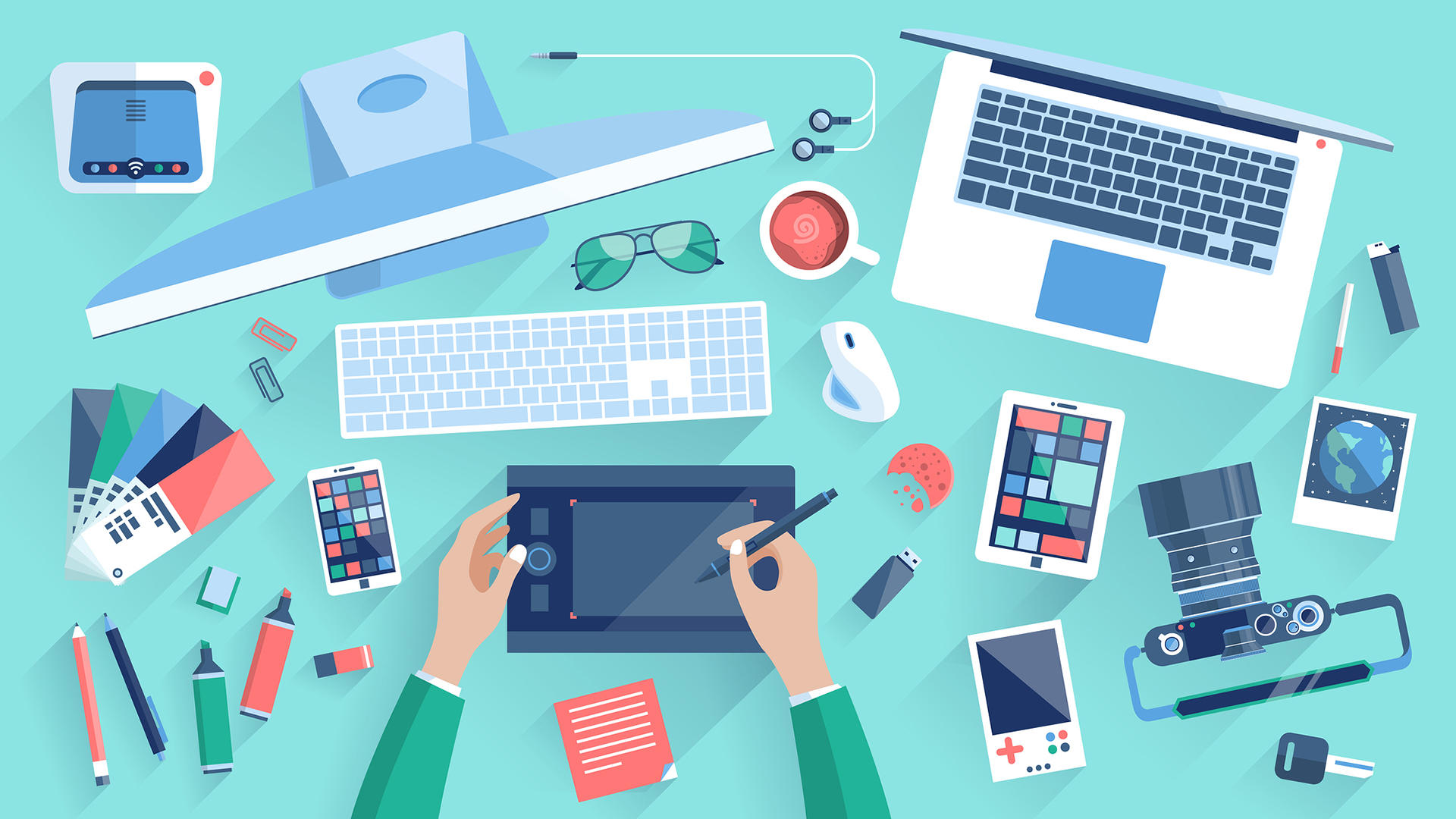
Exploring the Power of Multimedia: How Text and Tangible Elements Enhance Learning
In today's educational landscape, the integration of multimedia into traditional learning environments has proven to be a game changer. By combining text with various tangible elements—such as images, videos, and interactive content—educators can significantly enhance the learning experience. This holistic approach not only caters to different learning styles but also helps to maintain student engagement. Studies show that information presented in a multimedia format is more likely to be retained, as the combination of visual and auditory stimuli captures attention effectively.
Moreover, the use of tangible elements—such as physical models or hands-on activities—allows learners to actively participate in their education. For instance, when teaching complex scientific concepts, students who can manipulate a model are more likely to understand and memorize the material compared to those who only read about it. Incorporating interactive components, such as quizzes or simulations, into lessons further reinforces knowledge retention and application. Thus, multimedia not only makes learning more enjoyable but also empowers students to take control of their educational journey.
Counter-Strike is a popular first-person shooter game that pits teams of terrorists against counter-terrorists in objective-based gameplay. Players can choose from various weapons and strategies to secure victory, making skillful communication and teamwork essential. For those looking to enhance their gaming experience on a MacBook, consider checking out the Top 10 usb c hubs for macbook, which can improve your connectivity and overall performance.
The Art of Storytelling: Merging Text with Visual and Physical Experiences
The Art of Storytelling is a unique craft that transcends mere words, blending text with visual and physical experiences to create immersive narratives. By engaging multiple senses, storytellers can evoke emotions and foster deeper connections with their audience. Visual elements, such as images or videos, play a vital role in enhancing the narrative, providing context that words alone may fail to convey. Consider the following methods to merge text with visuals:
- Utilizing infographics to summarize complex information.
- Incorporating photographs that depict key moments in the story.
- Embedding videos that allow audiences to experience the narrative firsthand.
Moreover, the physical aspect of storytelling involves creating environments where readers can interact with the story. This could be in the form of experiential events, where participants can engage with the narrative through immersive activities that promote a firsthand experience of the storyline. According to research, stories that incorporate both visual and physical elements can lead to greater retention and understanding. As storytellers, focusing on the art of storytelling through these methods can transform a simple narrative into a profound encounter, leaving a lasting impact on the audience.
How to Create Engaging Multimedia Content: Tips for Blending Text and Tangible Formats
Creating engaging multimedia content requires a thoughtful blend of various formats that can capture the audience's attention. One effective approach is to start with a strong written foundation, ensuring your text is clear and informative. Consider incorporating the following elements:
- Images: Use high-quality images to complement your text, making it visually appealing.
- Videos: Integrate short videos that explain concepts or narrate stories, adding depth to your content.
- Infographics: Summarize data in an easy-to-digest visual format to enhance understanding.
Moreover, it's vital to organize your multimedia content in a way that encourages engagement. Implement interactive elements like polls or quizzes to invite user participation. You might also want to use audio clips or podcasts to reach audiences who prefer auditory learning. Remember, the key to successful multimedia integration lies in ensuring that each format serves a specific purpose and aligns with your overall message, creating a cohesive experience for your readers.