Top 5 Microphone Types and Their Best Use Cases
When it comes to choosing the right microphone for your needs, understanding the different microphone types is essential. Here are the top 5 microphone types and their best use cases:
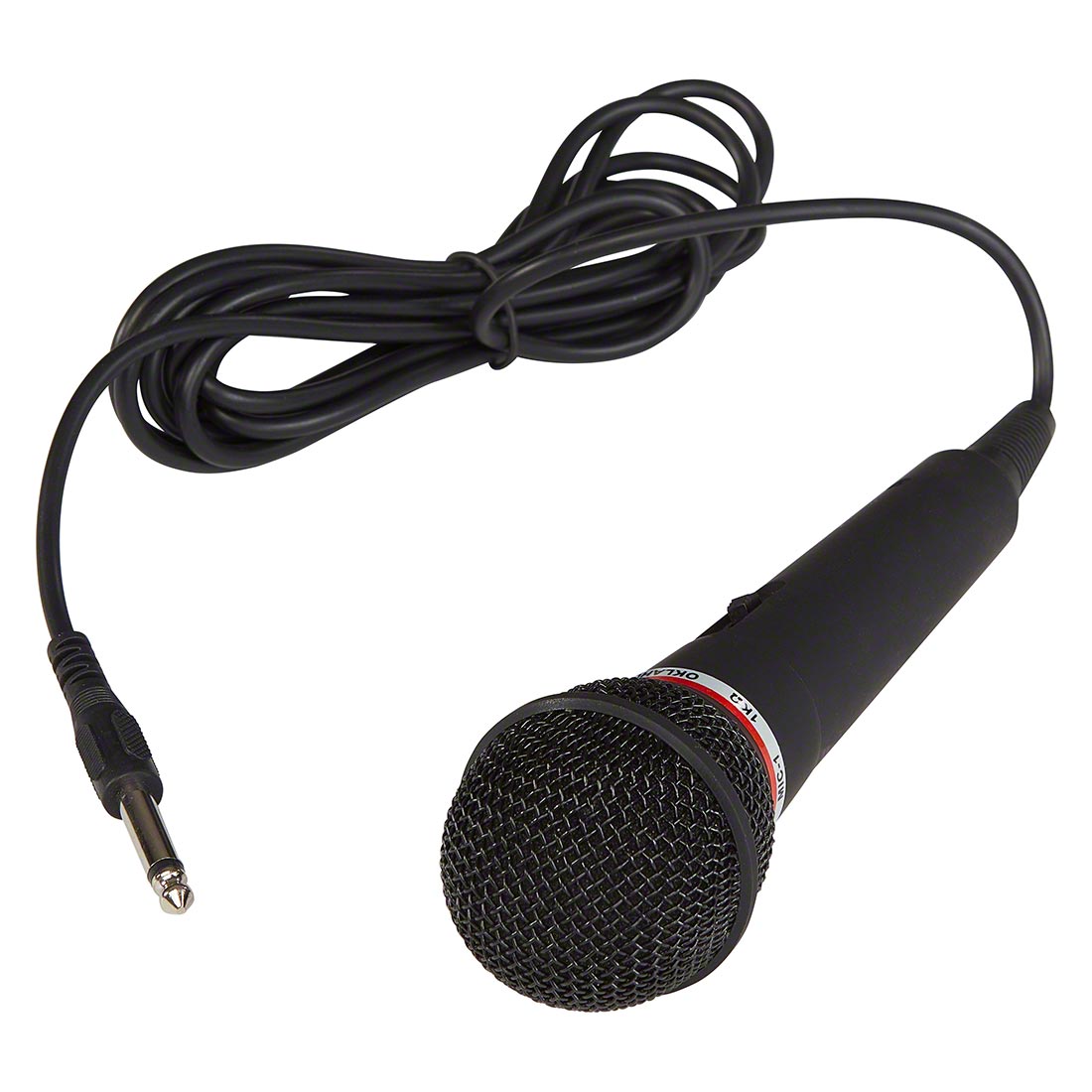
- Dynamic Microphones: Ideal for live performances, dynamic microphones are built to withstand high sound pressure levels. They are perfect for vocals and instrumental use in concerts and events.
- Condenser Microphones: These versatile mics capture a wide frequency range, making them great for studio recordings of vocals and acoustic instruments. Recommended for podcasts and voiceovers.
- Ribbon Microphones: Known for their warm sound, ribbon mics excel in capturing brass and strings, as well as giving vocals a vintage tone. They're best used in controlled studio environments.
- Lavalier Microphones: Small and unobtrusive, lavalier mics are perfect for interviews and film production. They clip onto clothing, offering hands-free operation.
- USB Microphones: Great for beginners, USB mics plug directly into computers. They're ideal for streaming, gaming, and remote recording sessions.
Counter-Strike is a popular multiplayer first-person shooter game that has captivated players since its release. The game pits teams of terrorists against counter-terrorists in various objective-based game modes. Players need to employ strategy and teamwork to complete objectives such as bomb defusal or hostage rescue. As a gamer, you might also be interested in some gear to enhance your gaming experience, including Top 10 Phone Accessories for YouTube that can help you stream your gameplay effectively.
Essential Tips for Achieving Studio-Quality Sound at Home
Achieving studio-quality sound at home requires attention to several key factors that can significantly improve your audio experience. First, consider the acoustics of your room; utilizing sound-absorbing materials like curtains and carpets can help minimize echo and ensure a clearer sound. Additionally, proper speaker placement is crucial. Try to position your speakers at ear level and create an equilateral triangle between the speakers and your listening position for optimal sound staging.
Next, invest in quality equipment that suits your needs, such as studio monitors and a reliable audio interface. It's also beneficial to incorporate digital audio workstations (DAWs) for mixing and editing your recordings effectively. Remember to regularly calibrate your setup and monitor your audio levels to avoid distortion. Following these essential tips will set you on the path to achieving studio-quality sound in the comfort of your home.
How to Choose the Right Microphone for Your Recording Needs
Choosing the right microphone for your recording needs can significantly impact the quality of your audio production. First, consider the type of recordings you will be doing. For vocal recordings, a condenser microphone is often recommended due to its sensitivity and wide frequency response. On the other hand, if you're looking to record instruments, a dynamic microphone might be a better choice due to its durability and ability to handle high sound pressure levels. Here are some factors to keep in mind when selecting your microphone:
- Purpose: Identify what you will be recording most frequently.
- Environment: Consider the acoustics of your recording space.
- Budget: Determine your price range to narrow down your options.
Once you've assessed your recording needs, it's time to delve into specific microphone features. Pay attention to the polar pattern, which defines how the microphone captures sound. Common polar patterns include cardioid, which is ideal for isolating sound from a specific direction, and omnidirectional, which captures sound equally from all directions. Additionally, consider the microphone's connectivity options, as some require interfaces or mixers for optimal performance. By understanding these characteristics, you'll be better equipped to select the perfect microphone that meets your requirements and enhances your audio projects.