The Science Behind Wireless Power: How It Works and Its Future Potential
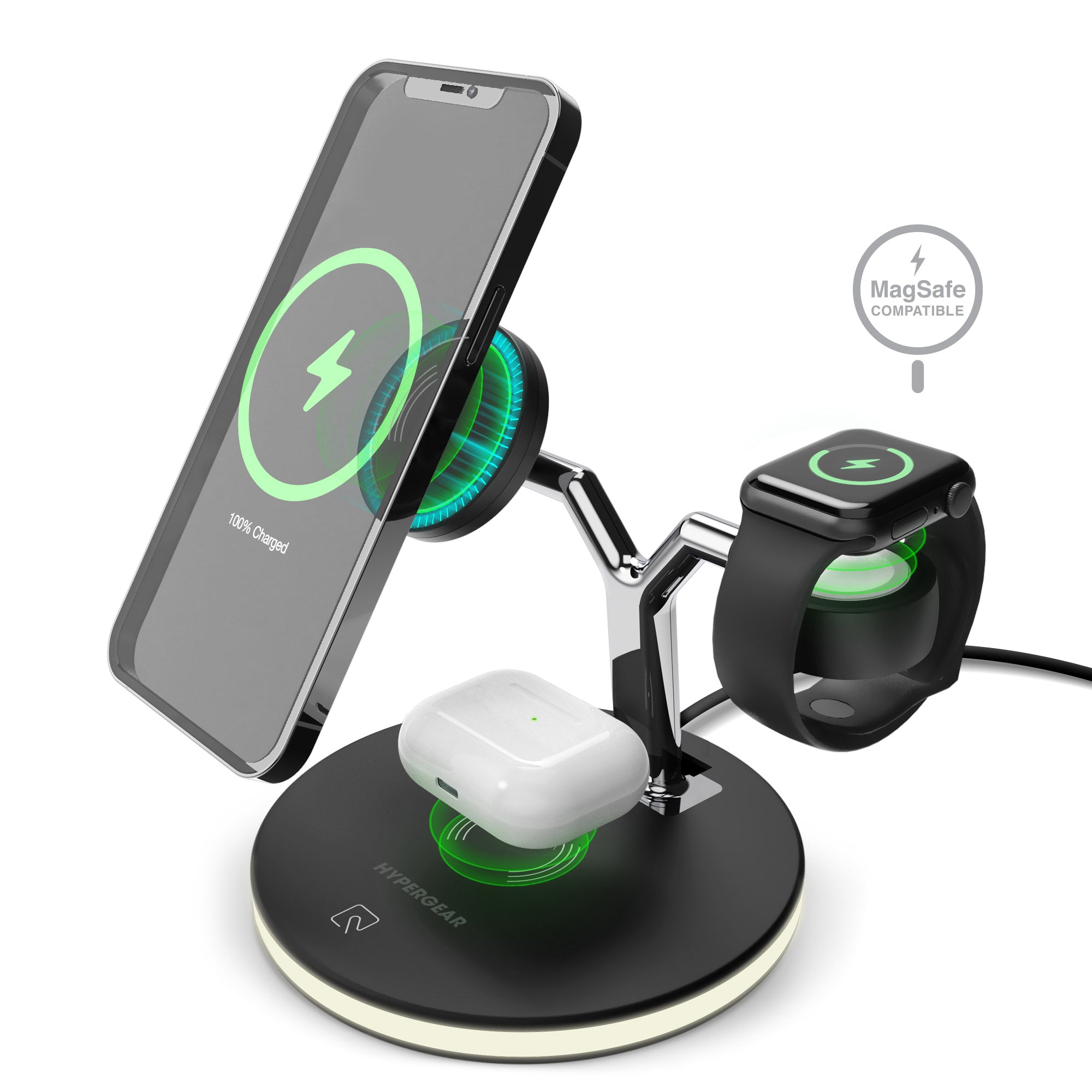
The science behind wireless power is rooted in the principles of electromagnetic fields and energy transfer. At its core, this technology utilizes two main processes: inductive coupling and resonant inductive coupling. In inductive coupling, energy is transferred between two coils: one connected to a power source and the other embedded within a device. This method is commonly seen in applications like toothbrush chargers and mobile phone charging pads. On the other hand, resonant inductive coupling allows for increased efficiency by tuning both coils to resonate at the same frequency, enabling power transfer over longer distances. This process showcases the potential of wireless charging beyond simple gadgets, paving the way for innovations in various sectors.
As we look to the future, the potential applications of wireless power are expansive and varied. Experts predict that this technology could revolutionize how we think about energy consumption in everything from home appliances to electric vehicles. For instance, the ability to charge devices without physical connections eliminates wear on ports and enhances user experience. Additionally, with advancements in materials and energy efficiency, wireless power transmission could simplify charging infrastructure in public spaces and enable the development of smart cities where devices communicate and recharge seamlessly. However, challenges such as safety, efficiency, and regulatory standards must be addressed to fully realize this future. Overall, the growth of wireless power technology could lead to a more connected and efficient world.
Counter-Strike is a popular first-person shooter game that has captivated gamers since its initial release in 1999. The game pits teams of terrorists against counter-terrorists in various objective-based scenarios. With its strategic gameplay and emphasis on teamwork, Counter-Strike has become a staple in the esports community. For gamers looking to enhance their experience, check out these Top 10 iphone accessories under 50 to ensure you have the best gear while playing.
The Top 5 Benefits of Embracing Wireless Charging Technology
As technology continues to evolve, wireless charging has emerged as a game-changer in the world of battery management. One of the top benefits of embracing this technology is the convenience it offers. No longer do users have to grapple with tangled cords or search for the correct charging cable. With wireless charging, simply placing your device on a charging pad can initiate the charging process. This seamless functionality promotes greater accessibility and enhances the user experience, making it an attractive option for individuals always on the go.
Another significant advantage of wireless charging is its potential to reduce wear and tear on charging ports. Traditional charging methods often lead to physical damage over time, as frequent plugging and unplugging can weaken connectors. By utilizing wireless charging, users can extend the lifespan of their devices, as the charging process is contact-free. Furthermore, this technology is moving towards greater compatibility across multiple devices, increasing its appeal for consumers who desire a unified charging solution. In short, the shift to wireless charging not only simplifies our lives but also contributes to greater device longevity.
Is Wireless Power the Future of Energy? Exploring its Impact on Daily Life
The concept of wireless power has long been a staple of science fiction, but recent advancements in technology are making it a more tangible reality. As we embrace a future where everything is interconnected, the shift towards wire-free charging solutions for our devices is gaining momentum. Imagine a world where you can charge your smartphone, laptop, and even your home appliances without the hassle of tangled cords. This technological evolution not only promises convenience but also promotes sustainability by reducing electronic waste associated with broken cables and chargers.
Moreover, the impact of wireless power on daily life extends beyond just personal devices. In urban planning and smart city initiatives, wireless power could facilitate the integration of renewable energy sources, powering public transport systems and street lighting without the need for extensive wiring. As cities evolve into smarter environments, the practicality and efficiency of wireless energy transmission may reshape how we consume and distribute energy, paving the way for a greener, more efficient future.