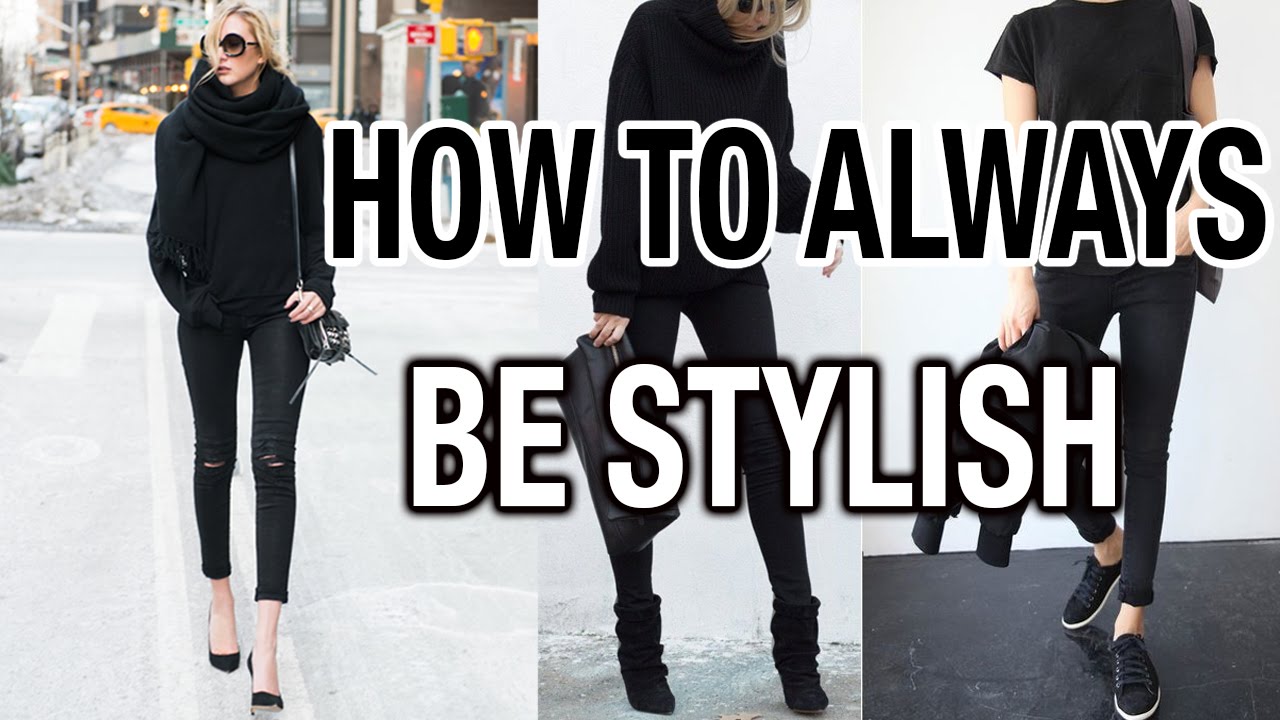
How to Build a Sustainable Wardrobe: Key Pieces for Eco-Friendly Fashion
Building a sustainable wardrobe starts with understanding the key pieces that can form the foundation of your eco-friendly fashion. Begin by investing in high-quality essentials that are versatile and timeless, such as a classic white shirt, a pair of well-fitted jeans, and a little black dress. These items not only provide a solid base for various outfits but also reduce the need for fast fashion purchases. To enhance sustainability, consider choosing pieces made from organic or recycled materials, which lower the environmental impact of your clothing.
Furthermore, embracing a sustainable wardrobe means being mindful of accessories and outerwear. Key pieces like a durable tote bag, a warm and stylish coat, and a few select pairs of shoes can elevate your look while being eco-conscious. Remember to incorporate thrifted or second-hand items into your collection, as they not only save resources but also add a unique touch to your style. Ultimately, focus on quality over quantity to create a wardrobe that is both fashionable and sustainable.
Counter-Strike is a highly popular first-person shooter game that has captivated players since its initial release in 1999. The game features intense team-based gameplay where players can choose to be either terrorists or counter-terrorists, working together to complete objectives such as bomb defusal or hostage rescue. For gamers looking to keep their gear secure, finding the right accessories is crucial. Check out these Top 10 Secure AirPods Cases with Lock to ensure your devices are protected while you enjoy your gaming sessions.
The Rise of Upcycled Fashion: Transforming Waste into Style
The fashion industry is undergoing a significant transformation as more designers and brands embrace upcycled fashion. This innovative approach involves taking discarded materials and giving them a new lease on life, creating unique garments that are as stylish as they are sustainable. From high-end boutiques to everyday thrift stores, the rise of upcycled fashion is not only reducing waste but also challenging the traditional notions of style and luxury. By prioritizing creativity and environmental responsibility, upcycled fashion is reshaping consumer attitudes towards what it means to dress well.
One of the driving forces behind the rise of upcycled fashion is the growing awareness of the environmental impact of clothing production. According to recent studies, the fashion industry is responsible for a significant amount of global carbon emissions and waste. As a result, shoppers are increasingly seeking out brands that prioritize sustainability. Upcycling not only reclaims materials that would otherwise end up in landfills but also promotes a more circular economy. This shift in consumer behavior is prompting more designers to incorporate upcycled textiles into their collections, making sustainable fashion the new norm rather than the exception.
Is Sustainable Fashion Worth the Investment? Pros and Cons Explained
Sustainable fashion has gained significant traction in recent years, prompting many to question is sustainable fashion worth the investment? On the one hand, investing in sustainable fashion can lead to numerous benefits. These include ethical production practices, reduced environmental impact, and higher quality materials that tend to last longer than fast fashion alternatives. Additionally, many consumers are now prioritizing brands that align with their values, making sustainable fashion not just a trend but a lifestyle choice. As a result, investing in sustainable clothing can enhance your wardrobe while also contributing to a more ethical and environmentally friendly economy.
However, the initial cost can be a deterrent for some shoppers, as sustainable fashion items often come with a higher price tag compared to mainstream options. This raises the question of whether the long-term benefits outweigh the upfront investment. While quality and longevity can lead to savings over time, not everyone may be ready to make that financial commitment. Additionally, the market for sustainable fashion can sometimes feel limited, with fewer options available in terms of styles and trends. Ultimately, weighing the pros and cons is crucial for consumers to determine if sustainable fashion aligns with their personal values and financial situation.