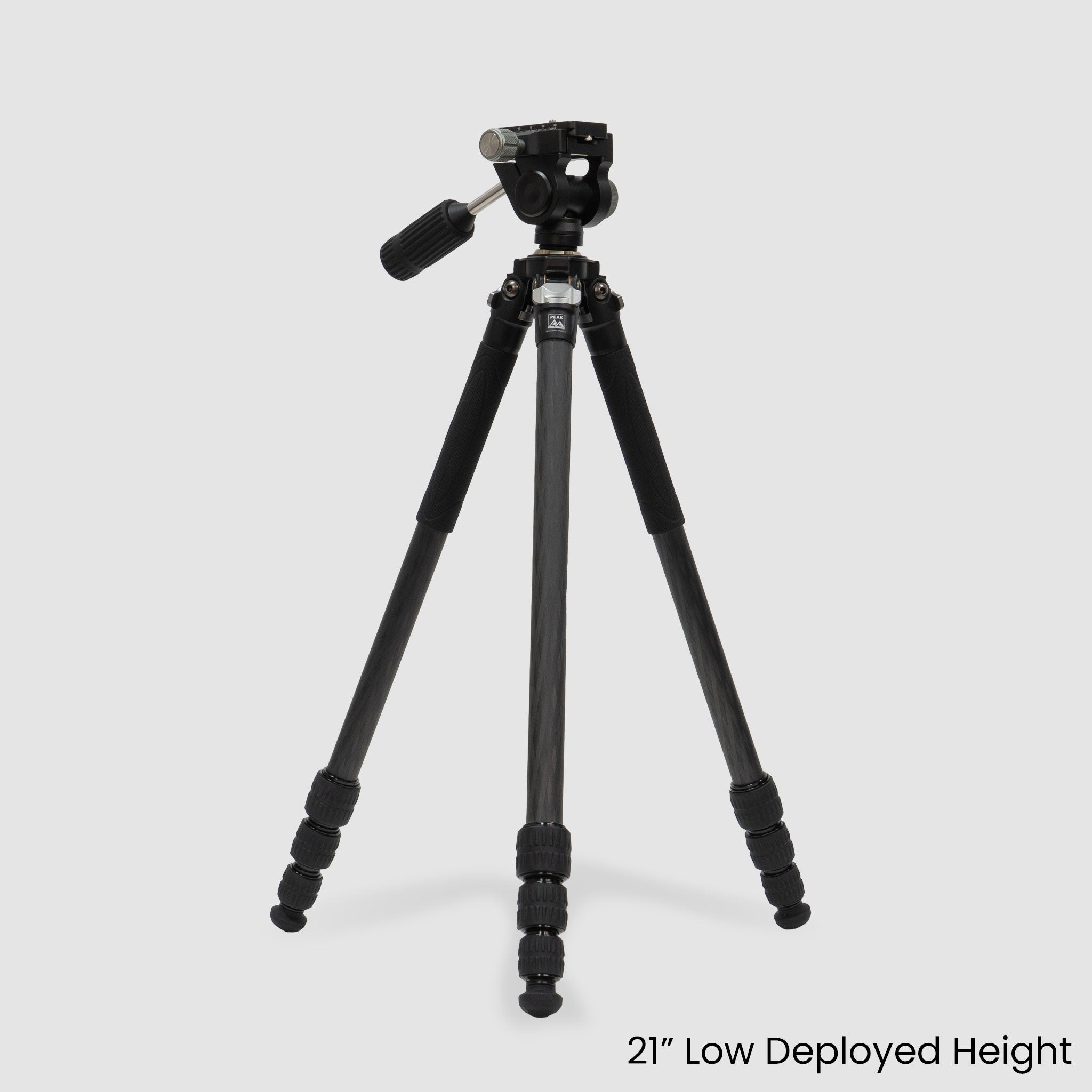
Mastering the Art of Stability: Tips for Choosing the Right Tripod
When it comes to photography, achieving stability is crucial for capturing sharp and vibrant images. Mastering the art of stability begins with understanding the various types of tripods available. Whether you're a professional photographer or a hobbyist, selecting the right tripod involves considering factors such as height, weight, and material. Here are some essential tips to keep in mind:
- Height Adjustment: Choose a tripod that can comfortably reach your desired shooting height, ensuring you can shoot at various angles without straining yourself.
- Material Matters: Consider tripods made of sturdy materials like aluminum or carbon fiber, which offer durability while minimizing weight for portability.
- Weight Capacity: Always check the weight limit of a tripod to guarantee it can securely hold your camera and lens without risk of tipping over.
Stability doesn't just come from the tripod's design; it also depends on how you use it. Always set up your tripod on solid ground and spread the legs evenly for maximum support. For windy conditions or uneven terrain, adding weight to the tripod's hook can provide further stability. Additionally, mastering the art of stability involves utilizing your tripod's features, such as quick-release plates and bubble levels, to achieve optimal alignment. Remember, a steady shot is only a tripod away!
Counter-Strike is a popular multiplayer first-person shooter that has captivated gamers since its initial release. Players can choose to play as terrorists or counter-terrorists, engaging in various game modes that test their teamwork, strategy, and shooting skills. If you're looking to enhance your gaming experience while sharing it on platforms like YouTube, check out the Top 10 Vlog Kits for iPhone 17 to find the best gear for your vlogs. With its engaging gameplay and competitive scene, Counter-Strike continues to be a staple in the gaming community.
The Science Behind Steady Shots: How Tripods Enhance Your Photography
When it comes to photography, achieving a steady shot is crucial for capturing clear and crisp images. The science behind this stability lies in the physics of motion and vibration. Even the slightest movement can lead to blurriness, especially in low-light conditions or when using zoom lenses. Tripods excel at minimizing these movements by providing a solid, stationary base to support your camera. This is particularly important for long exposure shots, where the shutter remains open for extended periods, making any shake more pronounced. By using a tripod, photographers can ensure that their compositions are sharp and well-defined, allowing the intricate details of their subject matter to shine through.
Moreover, tripods offer additional benefits that enhance the creative process. With a stable platform, photographers can experiment with angles and perspectives that would be difficult to achieve hand-held. For instance, they can easily capture macro shots or take panoramic images without worrying about alignment issues. Additionally, many tripods come equipped with features such as quick-release plates for fast transitions between setups and adjustable legs for uneven surfaces. Ultimately, investing in a quality tripod not only promotes a steady shot but also empowers photographers to explore their artistic vision without the limitations posed by camera shake.
What Makes a Great Tripod? Key Features to Consider for Steady Shots
When it comes to photography, having a reliable tripod can make all the difference in capturing steady shots. The first feature to consider is stability. A great tripod should have a robust build, often made from aluminum or carbon fiber, which provides resistance to wind and vibrations. Look for wide legs and a spreader to ensure that your setup remains firm on uneven surfaces. Additionally, consider the weight capacity; a tripod that can support your camera and lens without wobbling is crucial for crisp images.
Another vital factor is the adjustability of the tripod. Look for one that offers varying height adjustments, allowing you to shoot from different angles with ease. A tripod with a pan-and-tilt head or a ball head allows for smooth movements and precise framing, essential for both photography and videography. Furthermore, features like quick-release plates make it easier to switch between capturing stills and video, which enhances your workflow on location.