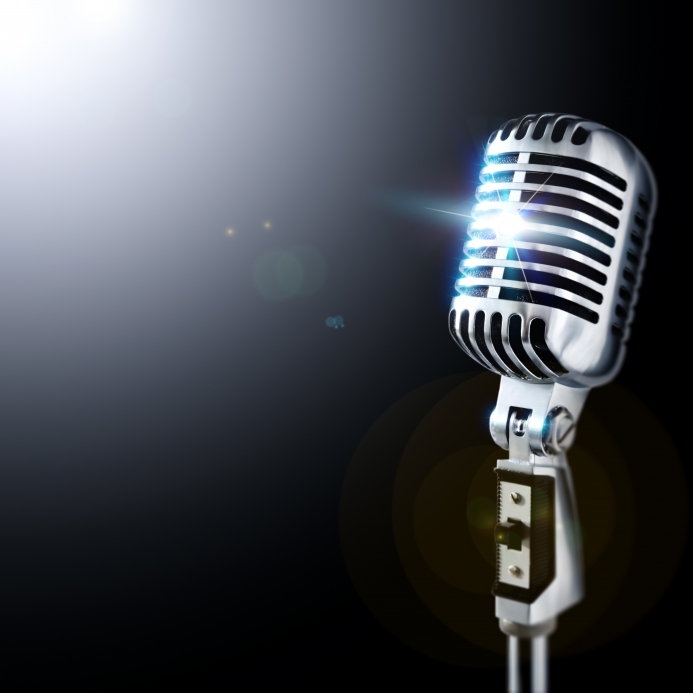
How Do Microphones Capture Sound? Discover the Science Behind These Tiny Titans
Microphones are fascinating devices that play a crucial role in transforming sound waves into electrical signals. When we speak or make sounds, we create vibrations in the air that are captured by the microphone's diaphragm, a thin membrane that responds to these fluctuations. As the diaphragm moves, it generates an electrical current that mirrors the original sound wave. This fundamental process is known as transduction. Depending on the type of microphone—be it dynamic, condenser, or ribbon—the method of capturing these sound waves may vary, but the core principle remains the same.
Understanding the science behind microphones reveals the intricate engineering that allows them to function effectively. There are two primary types of microphones: dynamic microphones, which utilize electromagnetic induction, and condenser microphones, which rely on capacitance. Dynamic microphones are often preferred for their durability and ability to handle high sound pressure levels, making them ideal for live performances. On the other hand, condenser microphones excel in studio settings, capturing nuanced sounds with remarkable clarity. Each type serves a unique purpose, showcasing the versatility and innovation inherent in these tiny titans of audio technology.
Counter-Strike is a highly popular tactical first-person shooter game franchise that pits terrorists against counter-terrorists in various gameplay modes. Players engage in team-based objectives, ranging from bomb defusal to hostage rescue, emphasizing strategy and teamwork. For those interested in enhancing their video content creation, you might want to check out the Top 10 Mobile Vlogging Accessories that can improve your gaming streams and tutorials.
Choosing the Right Microphone: What You Need to Know for Your Voice
Choosing the right microphone is crucial for anyone looking to enhance their voice, whether for podcasting, streaming, or recording music. With a myriad of options available, it can be overwhelming to identify which microphone suits your needs best. Consider factors such as microphone type, polar pattern, and budget. For instance, dynamic microphones are ideal for live performances, while condenser microphones excel in studio settings. Researching these attributes will help you make an informed decision.
Additionally, understanding the acoustic environment in which you'll be using your microphone plays a significant role in sound quality. If you're located in a noisy area, opt for a microphone with a cardioid polar pattern that captures sound primarily from the front while rejecting background noise. Investing in accessories like a pop filter or a shock mount can further enhance your audio quality. Remember, the right microphone can elevate your voice's clarity and richness, making it a worthwhile investment for any content creator.
From Studio to Stage: How Microphones Enhance Vocal Performance
When it comes to transforming vocal performances from the studio to the stage, the choice of microphone can be a game-changer. In the studio, artists often rely on high-quality condenser microphones that capture the nuances of their voice in a controlled environment. However, when it's time to perform live, dynamics and proximity effects come into play, requiring a different approach. Live performances necessitate microphones that not only amplify the voice but also reduce background noise, ensuring that every note is heard clearly. This transition highlights the importance of selecting the right type of microphone to enhance the overall performance quality.
Moreover, the microphone type can significantly affect the way a vocalist interacts with their audience. For instance, handheld microphones provide performers with the freedom to roam the stage, engaging with fans and creating an electrifying atmosphere. On the other hand, lapel or headset mics are ideal for those who need their hands free for choreography or instrument playing. Understanding the various microphone options and their respective features allows artists to elevate their live performances while also maintaining the integrity of their studio sound. In conclusion, the right microphone not only enhances vocal clarity but also plays a pivotal role in connecting performers with their audience.