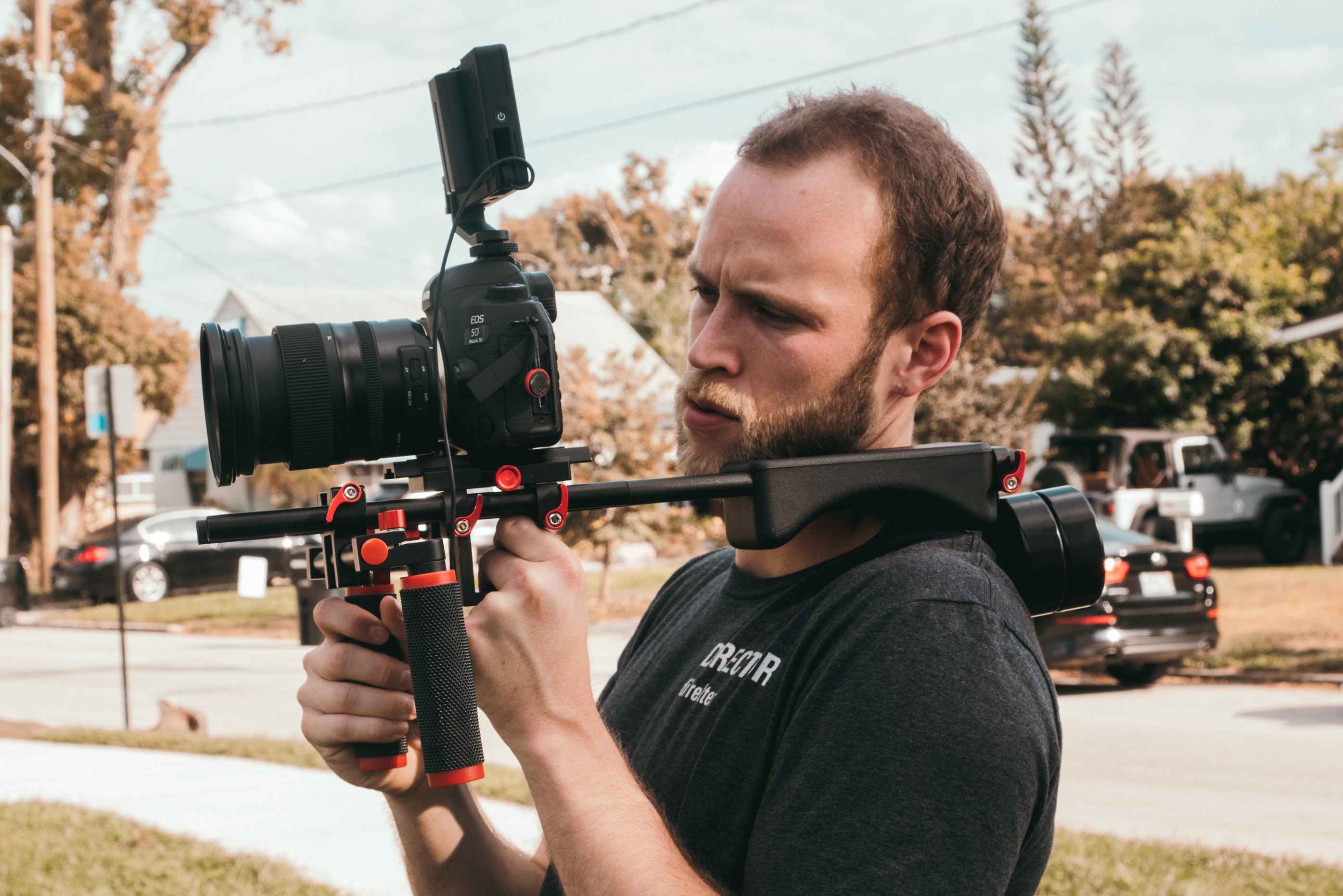
The Art of Storytelling: How to Craft Captivating Narratives in Videography
The art of storytelling is a fundamental pillar in videography that transforms ordinary footage into mesmerizing narratives. To craft captivating narratives, videographers must first understand their audience and the emotions they want to evoke. Start by outlining a clear story arc—beginning with a strong introduction that sets the tone, followed by the rising action that captivates viewers, and culminating in a climax that resonates deeply. Incorporating elements such as character development, conflict, and resolution can significantly enhance the narrative, making it more engaging and relatable.
Additionally, the use of visuals and sound plays a crucial role in reinforcing the storytelling process. Effective videographers utilize cinematic techniques, such as varied shot compositions, dynamic editing, and sound design, to amplify the emotional weight of the narrative. For instance, a slow-motion shot can heighten a moment of tension, while a well-chosen soundtrack can evoke nostalgia or excitement. By mastering these elements, creators can transform simple ideas into stunning visual stories that resonate with their audience and leave a lasting impression.
Counter-Strike is a popular first-person shooter that has captivated gamers since its release. Players are divided into teams, typically terrorists and counter-terrorists, who compete in various objective-based missions. If you're looking to enhance your gaming experience, check out the Top 10 Camera Grips for iPhone 17 for some great accessories. With its strategic gameplay and competitive atmosphere, Counter-Strike continues to thrive in the eSports scene.
Essential Equipment for Aspiring Videographers: A Beginner's Guide
For aspiring videographers, having the right equipment is crucial to capturing stunning visuals and enhancing creativity. Here are essential pieces of equipment that every beginner should consider investing in:
- Camera: A good camera is the foundation of any videography kit. Whether you opt for a DSLR, mirrorless, or even a high-quality smartphone, ensure it has decent video capabilities.
- Tripod: Stability is key in videography. A sturdy tripod will help you achieve smooth shots and keep your footage steady, which is vital for professional-looking videos.
- Microphone: Clear audio is just as important as clear visuals. Invest in an external microphone to ensure your sound quality matches your video quality.
In addition to the basic gear, consider these accessories that can take your videography to the next level:
- Lighting equipment: Natural light is great, but having portable lighting can help you achieve the look you desire no matter the time of day.
- Editing software: After shooting your footage, editing is where the magic happens. Familiarize yourself with user-friendly editing software to polish your videos.
- Gimbal or stabilizer: For dynamic shots, investing in a gimbal can provide smooth tracking movements that enhance the overall viewing experience.
Top 10 Videography Techniques That Will Elevate Your Projects
In the world of videography, mastering advanced techniques can significantly enhance the quality and impact of your projects. Here are the Top 10 Videography Techniques that will elevate your work:
- Dynamic Framing: Experiment with different framing techniques, such as the rule of thirds and leading lines, to draw the viewer's eye to your subject.
- Depth of Field: Utilize shallow depth of field to isolate subjects from the background, creating a cinematic aesthetic.
- Lighting Techniques: Understanding natural and artificial lighting can dramatically improve the mood and tone of your shots.
- Motion Stabilization: To achieve smooth, professional-looking footage, invest in gimbals or use software stabilization.
- Color Grading: Post-production color grading can transform the feel of your project, making it more engaging and visually appealing.
- Creative Transitions: Use various transitions, like wipes or fades, to maintain viewer interest and create a unique storytelling flow.
- Storyboarding: Planning your shots and creating storyboards can save time and ensure you capture all necessary angles and perspectives.
- Cutaway Shots: Incorporating cutaway shots can provide context and enhance storytelling by visually linking scenes.
- Sound Design: Don’t underestimate the power of sound; high-quality audio and thoughtful sound design can significantly elevate your projects.
- Practice and Experimentation: Continuously practice and be open to experimenting with new techniques and styles to keep your videography fresh and innovative.