From Player to Professional: Unlocking Real-Life Skills Through Gaming
Gaming has evolved beyond mere entertainment; it serves as a powerful tool for developing real-life skills that can transition players from casual enthusiasts to true professionals. From problem-solving abilities honed in complex strategies to teamwork fostered in multiplayer environments, unlocking real-life skills through gaming is an intriguing concept that continues to gain traction. For instance, players often engage in critical thinking and strategic planning while navigating through intricate missions or challenges, allowing them to cultivate resilience and adaptability—traits highly valued in the professional world.
Moreover, gaming can enhance essential skills such as communication and leadership. In team-based games, players must collaborate effectively to achieve common objectives, which translates seamlessly into professional environments where teamwork is key. This collaborative aspect not only builds rapport but also encourages innovative ideas and solutions. By actively participating in gaming communities, players can also improve their networking skills, creating valuable connections that can support their career development. In essence, transitioning from player to professional involves recognizing and harnessing these inherent skills that gaming uniquely provides.
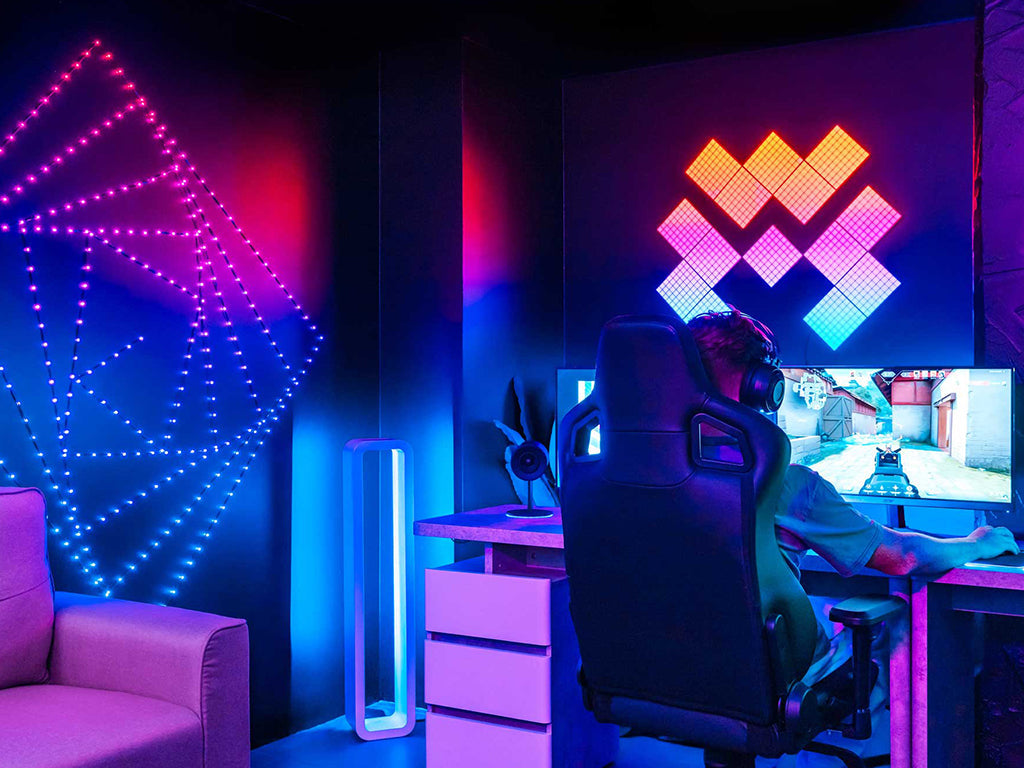
Counter-Strike is a popular first-person shooter game that has captivated millions of players worldwide. Its competitive gameplay emphasizes teamwork, strategy, and skill, making it a favorite in the esports community. Players can enhance their gaming experience with various accessories; for instance, check out the Top 10 iphone gaming accessories to find the best tools for your device. Whether you're a casual player or a serious competitor, Counter-Strike offers thrilling moments and intense matches.
Level Up Your Career: How Strategy Games Enhance Problem-Solving Abilities
In today's competitive job market, enhancing problem-solving abilities is crucial for career advancement. Strategy games, such as chess, StarCraft, and various online simulations, offer an engaging way to develop these skills. Playing strategy games requires players to assess complex scenarios, anticipate potential outcomes, and make calculated decisions under pressure. As players navigate through challenges, they learn to evaluate risks and rewards, which can translate directly into effective decision-making in the workplace.
Moreover, strategy games promote critical thinking and foster a mindset of continuous improvement. Players must analyze their performance, learn from their mistakes, and adapt their strategies accordingly. This iterative process of problem-solving enhances analytical skills and encourages innovation. Additionally, collaborating with others in team-based strategy games teaches valuable communication and leadership skills. To truly level up your career, incorporating strategy games into your routine could be a game changer.
Can Your Gaming Experience Boost Your Leadership Skills?
In recent years, the intersection of gaming and leadership development has garnered significant interest. Research suggests that many gaming experiences can enhance essential leadership skills. For instance, strategy-based games often require players to make quick decisions and adapt to shifting environments, mirroring the challenges leaders face in the corporate world. Furthermore, games that emphasize teamwork can improve communication skills and foster collaboration, both vital components of effective leadership.
Moreover, immersive gaming environments can teach resilience and problem-solving skills. As players encounter obstacles, they must analyze situations, strategize solutions, and execute plans under pressure. This practice can significantly boost decision-making abilities in real-world leadership scenarios. In essence, by engaging in gaming, individuals can cultivate an array of leadership qualities that are applicable not only in virtual settings but also in professional environments.