How Blue Light Affects Your Sleep: Understanding the Science
Blue light, a high-energy visible light emitted by screens on smartphones, tablets, and computers, can significantly impact your sleep patterns. Research shows that exposure to blue light, particularly in the evening, can suppress the production of melatonin, the hormone responsible for regulating sleep. As melatonin levels drop, it becomes more difficult to fall asleep and stay asleep, leading to issues like insomnia and daytime fatigue. Understanding this connection is crucial for maintaining a healthy sleep cycle and overall well-being.
In addition to affecting melatonin, blue light can also alter your circadian rhythms, the internal biological clock that signals when it's time to wake or sleep. A disrupted circadian rhythm can lead to increased sleep latency, or the time it takes to fall asleep, and reduced sleep duration. To mitigate these effects, it is advisable to limit screen time at least an hour before bed and consider using software or apps that filter blue light during evening hours. Creating a sleep-friendly environment can greatly improve your quality of sleep and enhance your well-being.
Counter-Strike is a highly popular team-based first-person shooter game that has captivated players since its release. With its strategic gameplay, players are divided into two teams, terrorists and counter-terrorists, competing to complete objectives or eliminate the opposing team. As players spend countless hours in front of screens, it's essential to consider how to mitigate eye strain. You can check out the Top 10 Phone Accessories for Eye Strain to find some helpful tools. This game not only tests your shooting skills but also your teamwork and communication abilities.
Top 5 Benefits of Using a Blue Light Filter Before Bed
Using a blue light filter before bed can significantly enhance your sleep quality. Exposure to blue light, especially from screens, can interfere with the production of melatonin, the hormone that regulates sleep. By using a blue light filter, you minimize this interference, allowing your body to naturally prepare for sleep. This can lead to a more restful night, helping you fall asleep faster and experience deeper sleep cycles.
Another key benefit of utilizing a blue light filter is reduced eye strain. Many people experience discomfort after long hours of screen time, characterized by symptoms such as dryness, fatigue, and blurred vision. By applying a blue light filter, you can significantly decrease this strain, making it easier to work and relax in the evening without discomfort. Thus, making it a smart choice for anyone who spends considerable time on digital devices before bedtime.
Is Your Device Keeping You Awake? Identifying Blue Light's Impact on Sleep
In today's digital age, our devices are ubiquitous, often keeping us connected long into the night. However, blue light emitted by smartphones, tablets, and computers can disrupt our natural sleep patterns. Research indicates that exposure to blue light before bedtime can significantly affect the production of melatonin, the hormone responsible for regulating sleep cycles. This impact can lead to difficulties falling asleep, reducing overall sleep quality, and leaving you feeling tired during the day. It's essential to understand how this light affects our bodies and to take steps to minimize its presence before bedtime.
To combat the adverse effects of blue light, consider the following tips:
- Limit screen time at least one hour before bed.
- Use apps or settings that reduce blue light emission during evening hours.
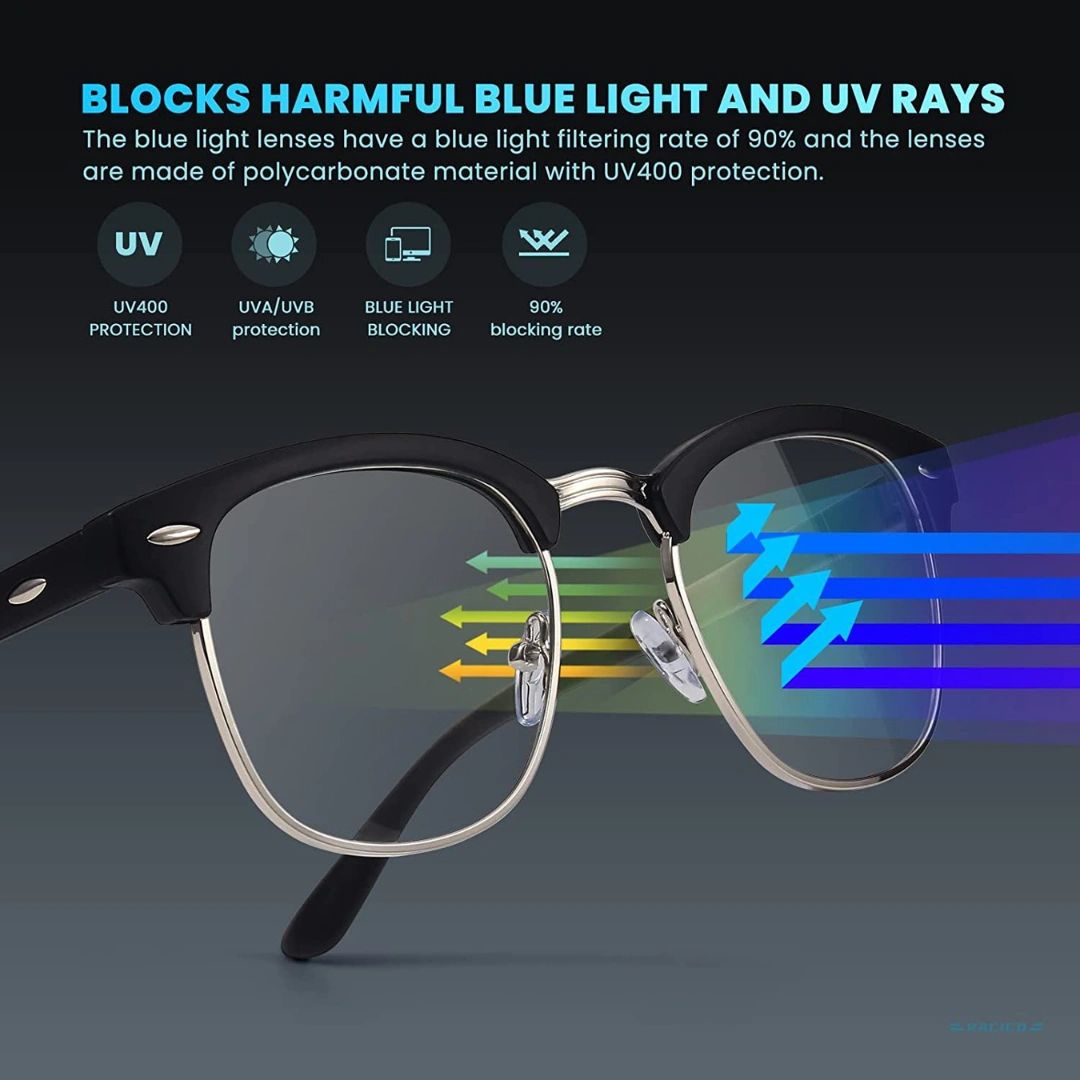
- Invest in blue light blocking glasses if you must use devices at night.
- Create a nighttime routine that prioritizes relaxing activities over screen use, such as reading a book or meditating.